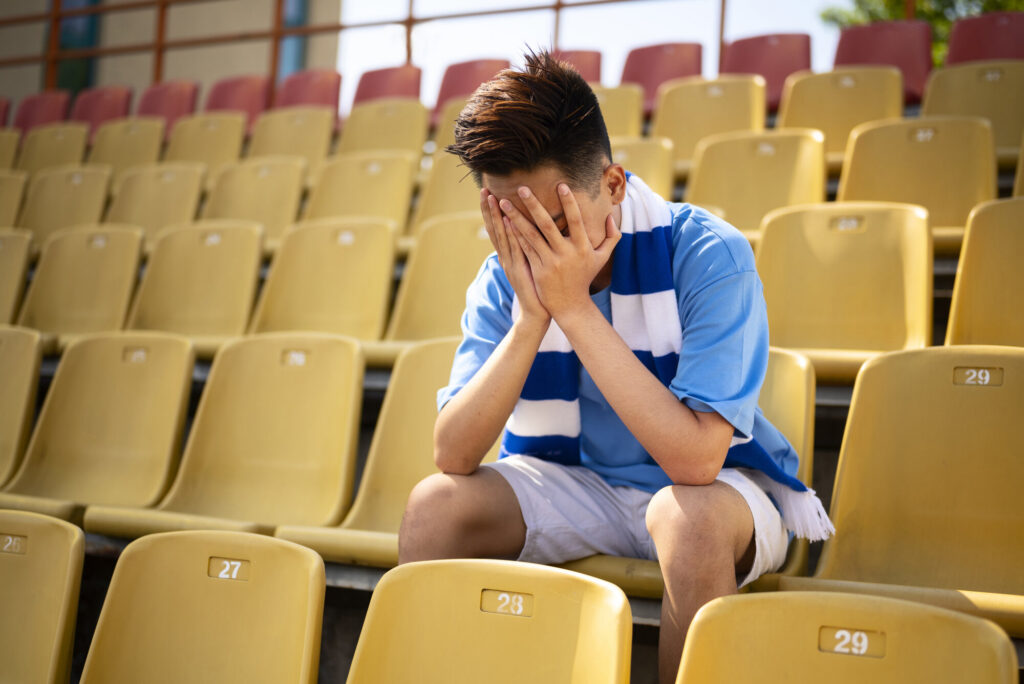
Your child makes a mistake during a game. You see exactly what went wrong.
Maybe they missed an open teammate, took a bad shot, or lost their defensive assignment.
From the sidelines, your instinct is to help.
“Move your feet!”
“Pass the ball!”
“Pay attention!”
But here’s a question worth considering: Is what you’re shouting actually helping your child play better?
For parents raising young athletes, learning when to encourage, when to stay quiet, and when to leave the coaching to the coach can make a meaningful difference.
Why Sideline Behavior Matters in Youth Sports
Children don’t only hear what their parents say. They notice how their parents react.
In Wisest Learners: Guiding Your Child’s Athletic Journey, Alex Compton and Kevin Dalafu emphasize the importance of aligning parental behavior with the values families want to teach.
For example, parents may encourage respect and sportsmanship at home but undermine those lessons when they argue with referees or criticize coaches during games.
The contradiction matters.
If we want our children to develop composure, respect, and accountability, those qualities need to be visible in our own behavior.
Research supports this broader principle.
The American Academy of Pediatrics (AAP) identifies positive parental involvement as an important influence on children’s enjoyment of organized sports. Its clinical report also discusses how negative sideline behavior can embarrass young athletes and diminish their enjoyment of participation.
What parents model during competition can be just as important as what they teach afterward.
Encouragement Is Different From Coaching
There’s a difference between supporting your child and directing every decision they make.
Consider these two responses.
Sideline coaching:
“Why didn’t you pass? You had someone open!”
Sideline encouragement:
“Keep going! You’ve got this!”
The first attempts to correct a decision during play.
The second communicates support without taking over the athlete’s experience.
The Positive Coaching Alliance recommends that parents avoid giving technical instructions during games and allow coaches to coach.
This helps reduce the possibility of children receiving competing instructions from multiple adults.
It also gives young athletes room to make decisions, recognize mistakes, and learn from their experiences.
What Does Research Say About Parental Pressure?
A 2024 systematic review published in Frontiers in Psychology examined 29 studies involving 9,185 young athletes and 2,191 parents.
Researchers identified positive parental values, supportive relationships, appropriate involvement, and autonomy-supportive parenting as important contributors to young athletes’ motivation.
The findings suggest that how parents participate in their child’s sporting experience matters as much as their involvement itself.
Encouragement can support motivation.
Excessive control and criticism can create unnecessary pressure.
For sports parents, the challenge is finding the balance between being involved and allowing children to develop independence.
Five Things Sports Parents Can Do During Games
1. Cheer effort, not just results.
Celebrate hustle, teamwork, perseverance, and good decisions, even when they don’t lead to points or wins.
2. Respect coaches and officials.
Children learn how to handle authority and disagreement by watching the adults around them.
3. Avoid giving constant instructions.
Let your child listen to their coach and make decisions during competition.
4. Support the whole team.
Encourage teammates and acknowledge good sportsmanship from both sides.
5. Manage your own emotions.
Before reacting to a bad call or mistake, ask yourself: “Is this the behavior I want my child to learn?”
What Should Parents Say After the Game?
Your child may already know they made mistakes.
They may not need another coach immediately after the final whistle.
Instead, start with connection.
You might say:
- “I loved watching you play.”
- “What did you enjoy most today?”
- “How are you feeling about the game?”
If your child wants to discuss their performance, listen before offering feedback.
If they need time, give them that space.
The goal isn’t to avoid difficult conversations. It’s to make sure your child knows your support doesn’t depend on the scoreboard.
The Bottom Line for Sports Parents
Young athletes need coaches who teach, teammates who challenge them, and parents who provide steady support.
We won’t always agree with every call, coaching decision, or performance.
But we can control how we respond.
The sidelines should be a place where children feel supported, not another place where they feel evaluated.
Listen: What Coaches Wish Parents Understood
What do coaches wish sports parents knew about their role?
In Episode 10: What Coaches Wish Parents Understood of the Parenting Athletes Podcast, Alex Compton and Kevin Dalafu discuss parent-coach relationships, expectations, communication, and how families can support a healthier youth sports environment.
Explore the conversation on Parenting Athletes or find Episode 10 on YouTube and Spotify.
Research and References
- American Academy of Pediatrics: Organized Sports for Children, Preadolescents, and Adolescents
- Gao et al. (2024): The Role of Parents in the Motivation of Young Athletes, A Systematic Review
- Positive Coaching Alliance: Parent/Caregiver Game Day Tips
- Compton, Alex, and Kevin Dalafu. Wisest Learners: Guiding Your Child’s Athletic Journey (2025).