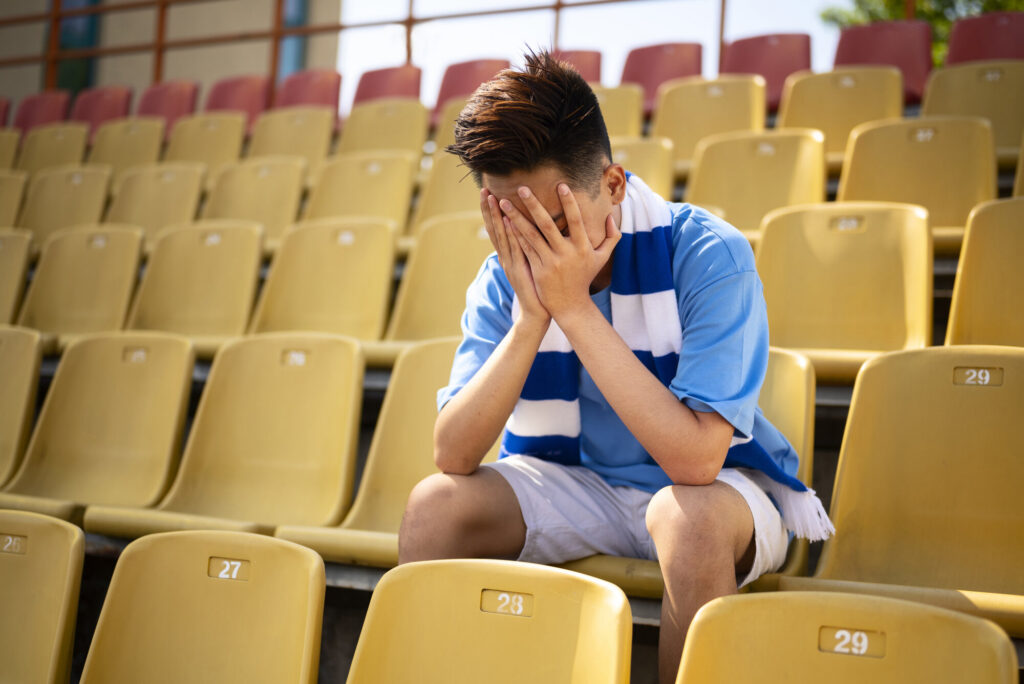
Your child comes home from practice and says something you weren’t expecting.
“I don’t want to play anymore.”
Maybe they’ve lost interest. Maybe they’re frustrated with their coach, struggling with teammates, or simply not enjoying the sport the way they used to.
As a parent, you face a difficult question.
Do you encourage them to finish what they started, or let them walk away?
For parents raising young athletes, the answer isn’t always simple.
Teaching commitment matters. But so does listening to your child, understanding their motivation, and recognizing when a sporting experience may no longer be serving their development.
When Your Child Wants to Quit Sports
In Wisest Learners: Guiding Your Child’s Athletic Journey, Alex Compton shares a personal experience involving his son.
After making a competitive basketball travel team, his son decided he would rather play for his school team with his friends.
For Alex, a former professional player and coach, the decision was difficult.
He valued commitment and understood the developmental opportunities his son might miss.
But he also believed strongly in not pressuring his children to play basketball simply because it was important to him.
After several conversations, Alex allowed his son to step away from the travel team.
There was one condition: his son needed to contact the coach himself, express appreciation, and explain his decision.
The experience illustrates an important distinction.
Respecting a child’s choice doesn’t mean removing responsibility from that choice.
Why Children Lose Interest in Sports
There are many reasons young athletes may want to stop participating.
Some are temporary.
A child might be discouraged after a loss, frustrated by limited playing time, or disappointed with their performance.
Other reasons may be more significant.
They might feel overwhelmed by their schedule, experience excessive pressure, struggle with team relationships, or simply discover that their interests have changed.
The American Academy of Pediatrics recognizes that excessive training, overscheduling, and pressure from adults can contribute to burnout in young athletes.
Its 2024 clinical report also identifies emotional and physical exhaustion, reduced feelings of accomplishment, and a declining interest in sport as features of athletic burnout.
That doesn’t mean every child who wants to quit is experiencing burnout.
It means parents should understand what’s happening before deciding how to respond.
Does Letting a Child Quit Teach Them to Give Up?
This is one of the biggest concerns parents have.
We want children to learn perseverance.
We want them to honor commitments.
And we don’t want them walking away whenever something becomes difficult.
Those are reasonable goals.
But perseverance and forced participation aren’t necessarily the same thing.
A 2024 systematic review examining parental influences on young athletes’ motivation identified autonomy-supportive parenting and positive parent-child relationships as important motivational factors.
In practical terms, children benefit when they have opportunities to develop ownership of their sporting experiences.
Parents can still establish expectations and encourage follow-through while taking their child’s perspective seriously.
The goal is to help children make thoughtful decisions rather than simply making every decision for them.
Five Questions to Ask Before Letting Your Child Quit
1. Why do you want to stop?
Listen without immediately trying to change their mind.
Is the issue temporary frustration, an unhealthy environment, exhaustion, or a genuine change in interest?
2. Is this a difficult moment or an ongoing problem?
One disappointing game may not justify leaving a team.
Months of unhappiness deserve a closer look.
3. Is the environment healthy?
Consider the quality of coaching, relationships with teammates, physical demands, and emotional well-being.
Concerns involving bullying, abuse, or unsafe conditions should be addressed promptly rather than treated as ordinary lessons in perseverance.
4. What commitments have already been made?
If your child has committed to a season, discuss what leaving might mean for teammates and coaches.
When appropriate and safe, finishing a commitment may be a reasonable option.
5. How can my child take responsibility for the decision?
Depending on their age, encourage them to participate in the conversation with their coach.
Help them communicate respectfully, express appreciation, and understand the consequences of their choice.
What If Your Child Still Loves Sports, Just Not This Team?
Sometimes children don’t want to quit athletics.
They want a different experience.
A highly competitive travel team may no longer fit their interests, schedule, or current developmental needs.
A school team, recreational league, or another sport might offer a better environment.
The AAP encourages families to consider children’s interests, developmental readiness, and enjoyment when making decisions about organized sports.
Participation should support healthy development, not become an obligation disconnected from the child’s needs.
The Bottom Line for Sports Parents
There isn’t one rule that works for every family.
Sometimes children need encouragement to push through a difficult season.
Other times, they need permission to pursue something different.
What matters is how parents guide the decision.
Ask questions. Listen carefully. Consider the commitments involved. Help your child take responsibility.
The goal isn’t simply to raise an athlete who never quits. It’s to raise a young person who can make thoughtful, responsible decisions.
Listen: Travel Teams, Club Sports, and the Arms Race of Youth Sports
How do parents decide which sporting opportunities are right for their children?
In Episode 8: Travel Teams, Club Sports, and the Arms Race of Youth Sports, Alex Compton and Kevin Dalafu discuss the growing pressures surrounding competitive youth sports and the decisions families face.
Find Episode 8 of the Parenting Athletes Podcast on YouTube and Spotify, or explore related resources at wisestlearnersathletes.com.
Research and References
- American Academy of Pediatrics: Organized Sports for Children, Preadolescents, and Adolescents
- American Academy of Pediatrics: Overuse Injuries, Overtraining, and Burnout in Young Athletes
- Gao et al. (2024): The Role of Parents in the Motivation of Young Athletes
- Compton, Alex, and Kevin Dalafu. Wisest Learners: Guiding Your Child’s Athletic Journey (2025), Chapter 4, “Feedback.”